
Written by Tommy Gordon-Clark
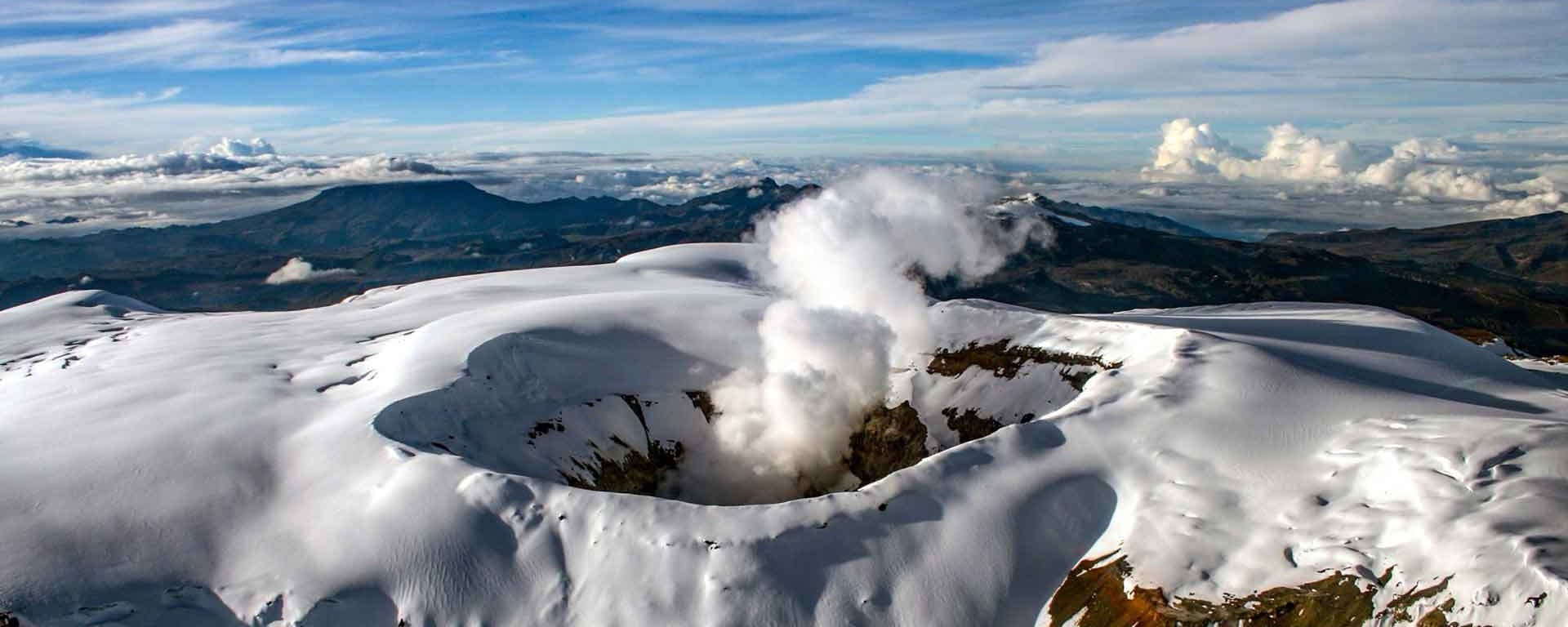
Colombia’s Andes mountain range is home to the stratovolcano, which is a volcano built up of alternate layers of lava and ash, known as Nevado del Ruiz. It had a devastating eruption on November 13, 1985, which left a large number of people dead and caused major damage to the surrounding area. It was among the worst volcanic eruptions in recorded history
What Happened:
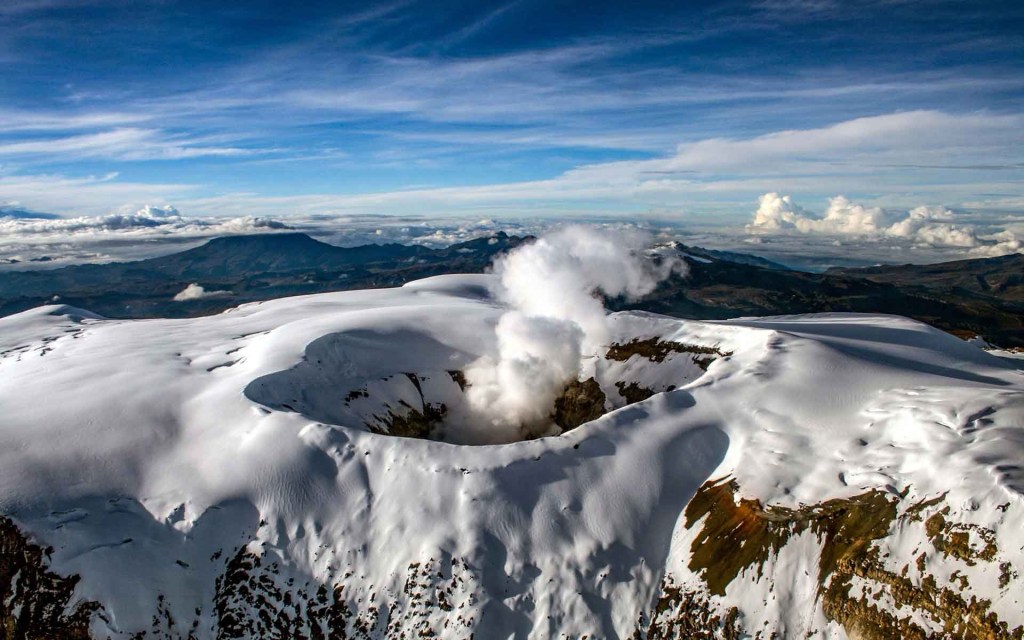
It was caused by magma’s contact with the hydrothermal system of the volcano set off Nevado del Ruiz’s 1985 eruption, which resulted in a series of violent eruptions and a release of pyroclastic flows. A significant amount of the volcano’s ice cap was melted during the original explosion, creating lahars, which are rapidly flowing combinations of mud, water, and volcanic debris that flow down the slopes of the volcano at speeds of over 60 miles per hour (97 km per hour).
Political Effects:
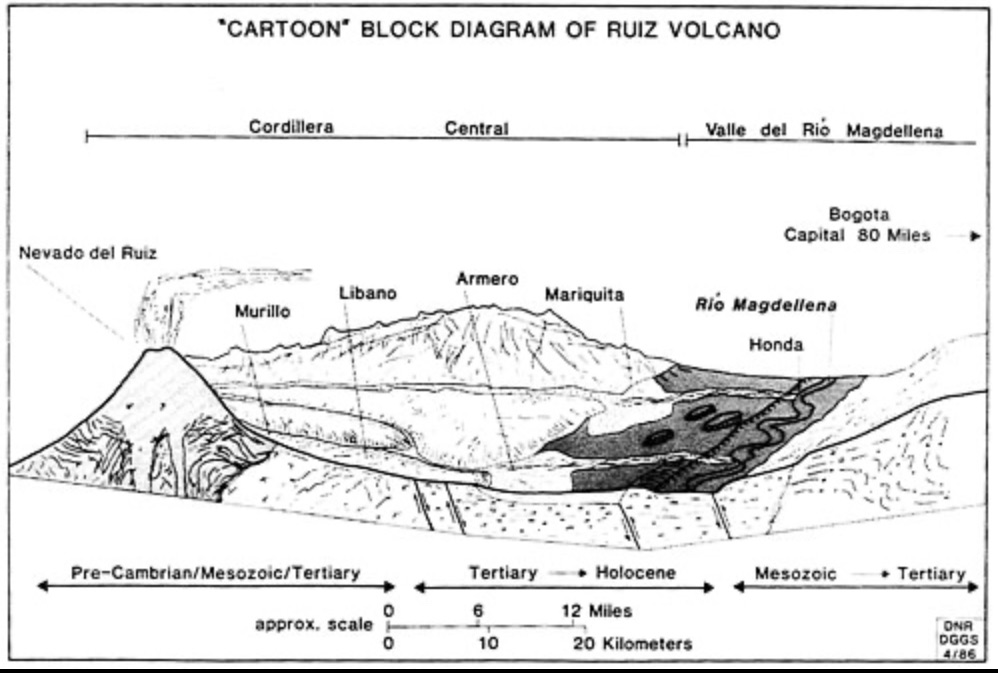
The lack of sufficient planning and responses in the political response to the Nevado del Ruiz eruption drew harsh criticism. The Colombian government was charged with disregarding scientific advisories and not moving quickly enough to evacuate nearby populations who were at risk. The effects of the tragedy were made worse by the government’s and local authorities’ poor cooperation and communication. At the same time as the volcano the government building was being sieged, emphasising how angry everyone was with the Government
Social Effects:
More than 23,000 individuals lost their lives as a result of the Nevado del Ruiz eruption, which had terrible social repercussions. The volcano injured over 5,000, and destroyed more than 5,000 homes. The hardest hit was the town of Armero, where three quarters of the 28,700 inhabitants died. Thousands of people were left homeless and traumatised as entire neighbourhoods were submerged under layers of volcanic debris and mudflows. Access to essential necessities including food, water, and medical treatment was extremely difficult for survivors, which resulted in widespread illness and misery. The government also estimated that over 200,000 people were directly or indirectly affected by the November 13 eruption.
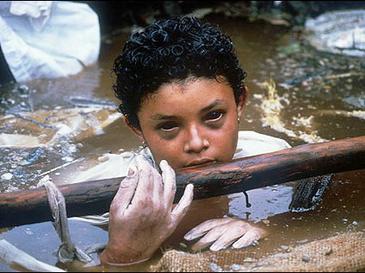
The photo below is of Omira Snachez, at this shows the exent of the Social effects and the lack of Government planning. Because it was impossible to get her out of the mud, because there weren’t good enough AID services. This led to the death of the girl and national uproar.
Economic Impacts:
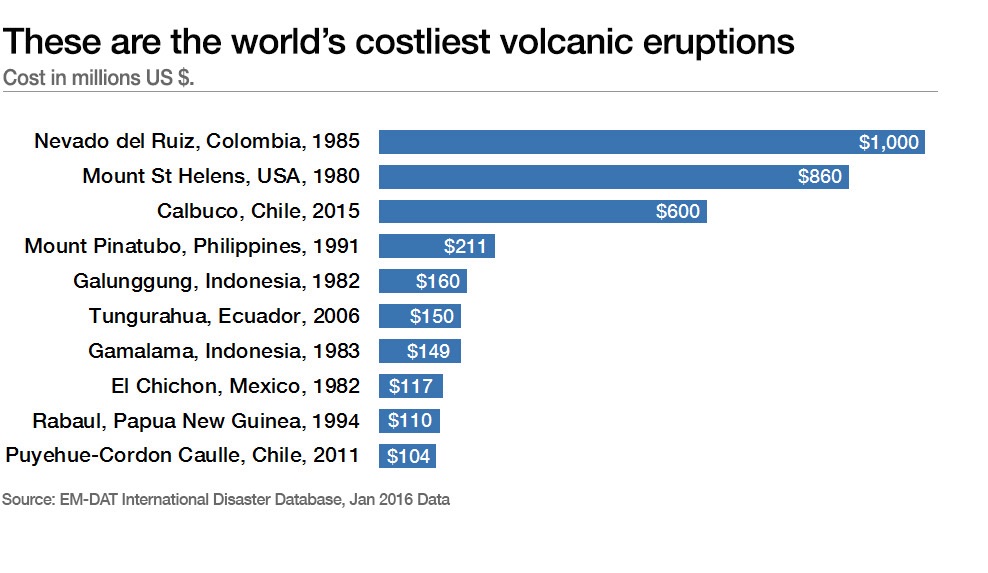
The Nevado del Ruiz eruption had a significant negative impact on the region’s infrastructure, industry, and agriculture. Long-term economic suffering for the impacted people ensued from the destruction caused by lahars and ashfall, which resulted in the loss of homes, farmland, and livelihoods. Another big loser was the tourist sector, which depended on the area’s scenic attractiveness and leisure activities. By December 1985, the Colombian government had prepared an initial assessment of its losses, estimated at 34.94 billion pesos (US $218 million). The most costly natural hazard to have ever happened. As seen in the graph below;
Preventive Measures:
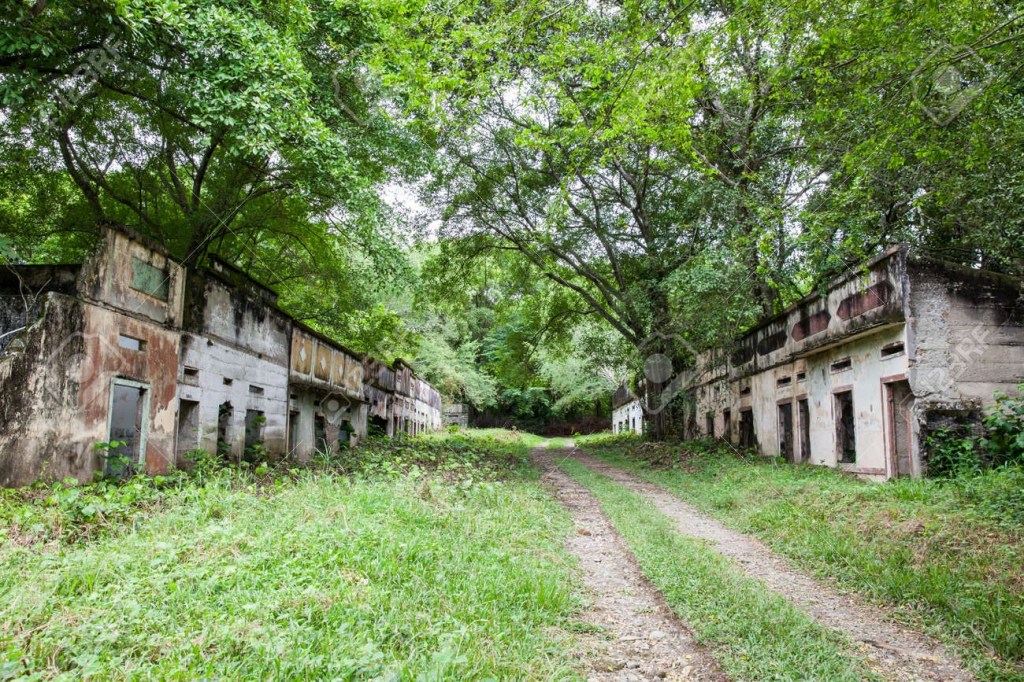
Following the 1985 eruption, Colombia took a number of steps to strengthen its monitoring of volcanoes and readiness for natural disasters. As part of this, the Servicio Geológico Colombiano, or Colombian Geological Survey, was established to keep an eye on volcanic activity and offer early warning systems to areas that could be at risk. To increase resistance to future eruptions, the government also made investments in infrastructure projects like building evacuation routes, maps of volcanic hazards, and shelters. The photo below is of an abandoned town, after the government had issued a warning of an eruption.
 The Cannon Yarder