
Written by Archie Gherendi
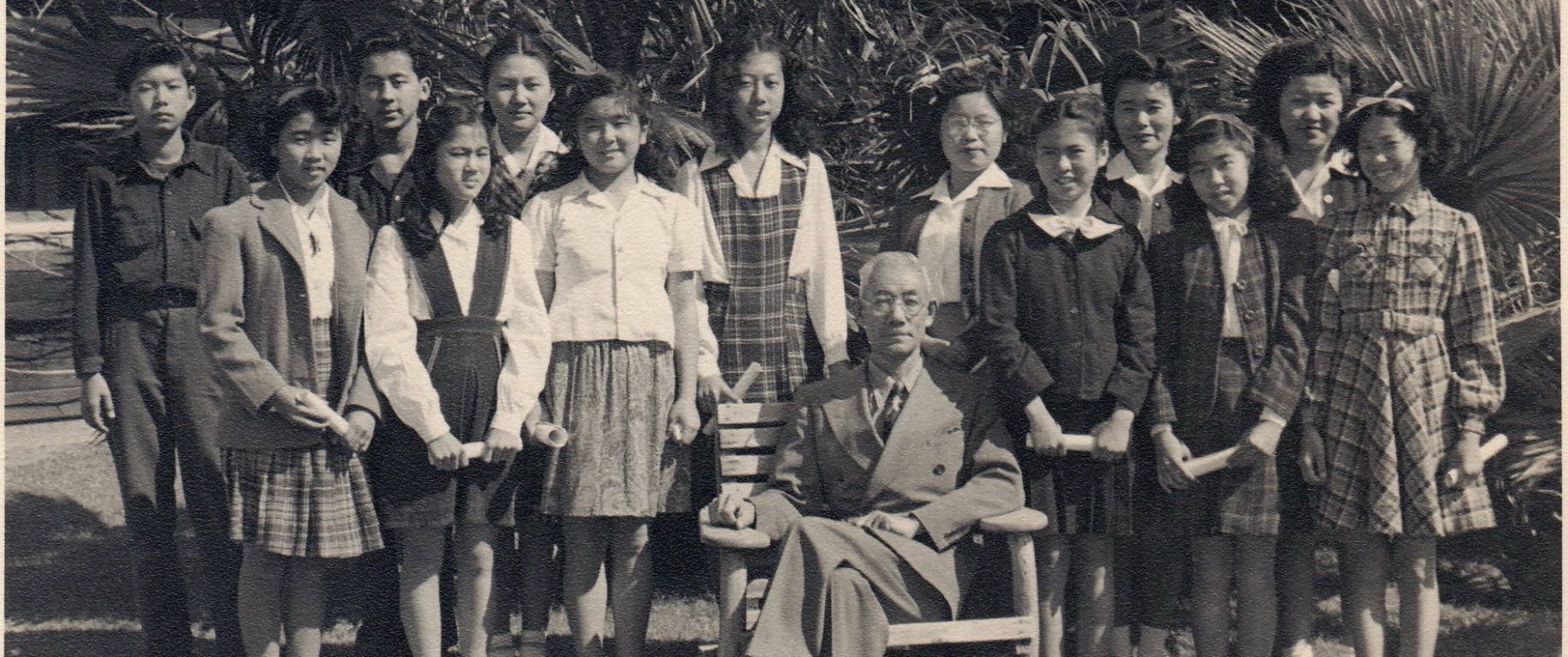
In South America what you’d least expect is to hear Japanese being spoken by passersby, or to see advertisements in Japanese characters. Yet when walking through parts of some major Latin American cities, such as the Liberdade district in Sao Paulo or the Jesús María district in Lima, it can feel as if you were in Tokyo. Since the late 19th century South America has received varying influxes of Japanese migrants, who have had a profound and enduring impact on the societies and cultures of the countries they settled in. The migration of Japanese people to South America is a fascinating yet largely overlooked major movement of population, however it has a rich and unique legacy as well as containing dynamic geographic characteristics and patterns.
In dissecting the causes of the migration, there are both underlying factors leading to Japanese to immigrate to the Americas, but also major driving factors. In terms of underlying factors, the migration certainly fits the push pull hypothesis. In the Meiji restoration starting from 1868, Japan underwent a period of heavy modernization, urbanisation and industrialisation, while also experiencing rapid population growth, with the population reaching 45 million by the 20th century. This sharp growth had a detrimental effect on the country’s agriculture; urban sprawl created land scarcity and in rural areas economic inequality with those in the cities increased. The enlarging population of young Japanese people were faced with high unemployment and little economic opportunity, all in all, these circumstances encouraged out-migration for better lives and wages. This opportunity at the time was to be found in South America, where there was a major pull factor: Labour demand. Plantations in South America were expanding; coffee, sugar and other plantations were in dire demand of workers, Japanese migrants were able to amend these shortages. The major pull for these migrants was the fact that these were agricultural jobs, jobs they were well suited for and could easily adapt to (70-80% of migrants coming from rural areas), moreover there were added economic benefits; increased wages ( $40 as opposed to $<10) and higher chance of land ownership, such as land grants in Sao Paulo state for Japanese migrants. These pull factors ensured that sizeable Japanese communities sprung up in the early 20th century, an additional pull factor in attracting yet more workers to have a fresh start in South America.
Many major migrations are fairly consistent and large streams such as 1850-1950 Europe-US migration or current South Asia to Middle east migration, in contrast the Japanese migration to the Americas peaked and ebbed due to major driving factors. The migration stream started out strong at the turn of the 20th century with as many as 150,000 migrating to Brazil by 1930, the major factor driving these high numbers of immigrants was government policy. The Japanese government saw this immigration as a perfect way to alleviate domestic pressures such as rural poverty and overpopulation. They advertised, subsidised and assisted emigration companies to funnel migrants from Japan. Through the signing of bilateral treaties such as the 1906 or 1907 agreements, countries such as Brazil and Peru agreed to take on large amounts of immigrants in structured waves. The Japanese government can be seen as largely responsible for instigating this migration in the first place. By the 1930s migration had lulled due to global anti-Japanese sentiment which was then heightened by WW2. However, numbers quickly resurged post 1945, doubling from less than 3000 to over 6000 per annum.
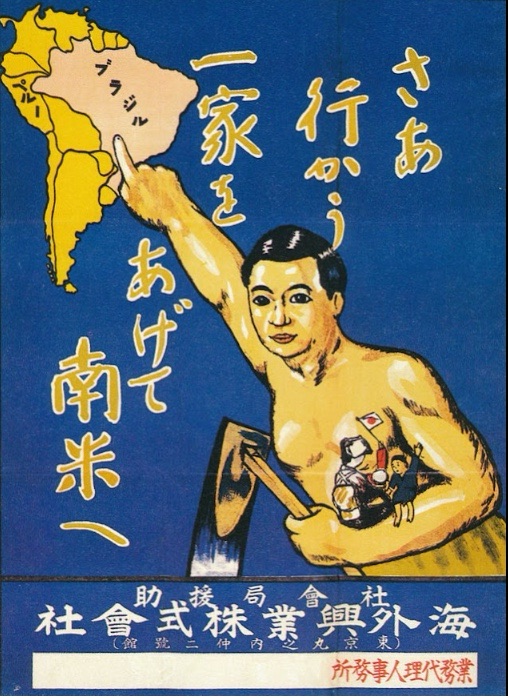
The major force behind this surge was economic downturn in post WW2 Japan. War had destroyed Japan’s infrastructure and agriculture, hyperinflation had made everyday life a hardship. The prospect of a new life in South America was increasingly attractive, there were chance of land ownership, employment and good wages. Once again, the government, seeing a way of alleviating domestic pressure, encouraged Japanese to go. In recent years the economic revival of Japan into a global power has created remigration, with as many as 3-5000 ‘Nikkeijin’ or ‘people of Japanese descent’ returning per year in the last decade.
The effect of receiving an extra few hundred thousand people from an entirely different culture was immense for the countries of Latin America, but particularly for Peru and Brazil, who bore the vast majority (85%) of this influx. The cultures of Brazil and Peru changed inexorably, and not just in the cities; due to the agricultural work, many small Japanese settlements sprung up amongst rural villages. Almost uncannily similar to Japanese rural villages, these settlements were known as ‘colonias japonesas’ (Japanese colonies) in Brazil and ‘pueblos japonesas’ ( Japanese villages) in Peru. Thanks to the influx of Japanese workers, the coffee, cotton and sugar industries boomed, in Sao Paulo 25% of GDP became attributed to just the local coffee industry. Japanese labour became an economic pillar. In addition, Japanese immigrants established numerous small businesses and fostered an entrepreneurial spirit. Many came from Japan for new opportunity and new markets, this contributed to the diversification of Latin American industry and the development of business. An example is Toyota setting up a factory in Brazil in 1958, today automative manufacturing is a defining element of Brazil’s industry. To say the least, Japanese migrants created significant economic upturn in the countries they settled in.
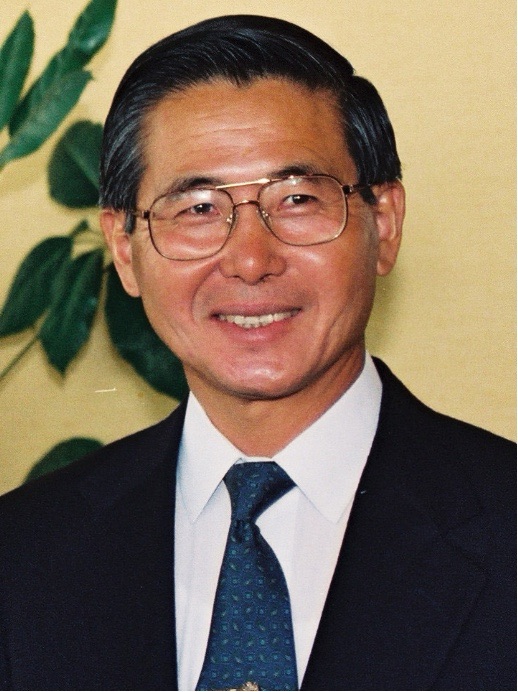
Aside from economic benefits, Japanese migrants added flavour to an already diverse culture by introducing Japanese festivals, cuisines and traditions. For example, the annual Japanese festivals, such as the Tanabata Matsuri in São Paulo and the Nikkei Matsuri in Lima, drew large crowds and became integral parts of the local cultural calendar. Japanese culinary influences, including sushi and tempura, became popular and integrated into the local food scenes. If you walk the streets of Lima or Sao Paulo, it would be hard not to find a sushi restaurant. There has also been significant social integration, with Japanese communities contributing locally to community centres, education and schooling as well as creating their own cultural organizations. Japanese culture has become ingrained into the wider Latin American culture, with cultural centres to be found in any Peruvian or Brazilian major town. To understand how integrated into society the Japanese immigrant communities are, it is worth looking at Peruvian politics. Alberto Fujimori, a Japanese Peruvian, was elected President of Peru for 10 years from 1990-2000. Although his time in office was relatively controversial and worth an article in the political magazine, his election to the highest office of government displays how well settled and embedded Japanese immigrants have become in Peruvian society. Japanese Nikkei communities stand as a testament to how immigrants can coexist with locals successfully.
To conclude the migration of Japanese to South America is a solid and successful example of human mass-movement. Via the Japanese government’s efforts coupled with the willingness of South American countries to receive migrants, this migration was able to strengthen the economies on both sides of the migration; removing pressures to allow Japan to revitalise and strengthening labour markets and productivity in Brazil and Peru. Nikkei communities have brought these far apart countries together. Even in the modern day Japan and South America continue to collaborate; Japan and Brazil maintain a strong partnership in the form of numerous bilateral agreements. Nikkei have had a lasting impact on South America, contributing to an incredibly intertwined and dynamic society. Thousands of miles from Japan, the vibrant influence of Japanese culture is unmistakable. In the Liberdade district of São Paulo and the Jesús María district of Lima, Japanese tradition and heritage have woven themselves into the fabric of Latin American life.
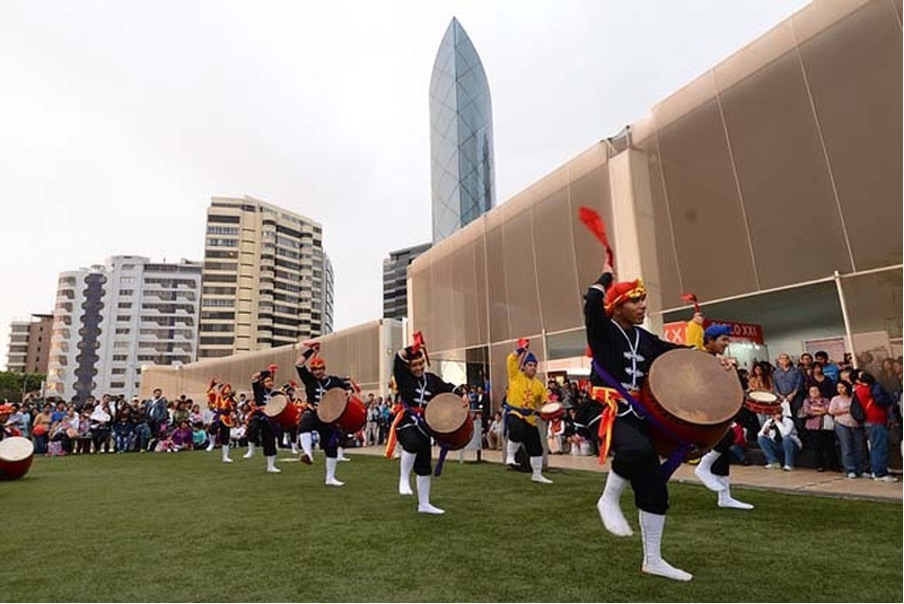
Japanese traditional dance on display in Lima, Peru
 The Cannon Yarder